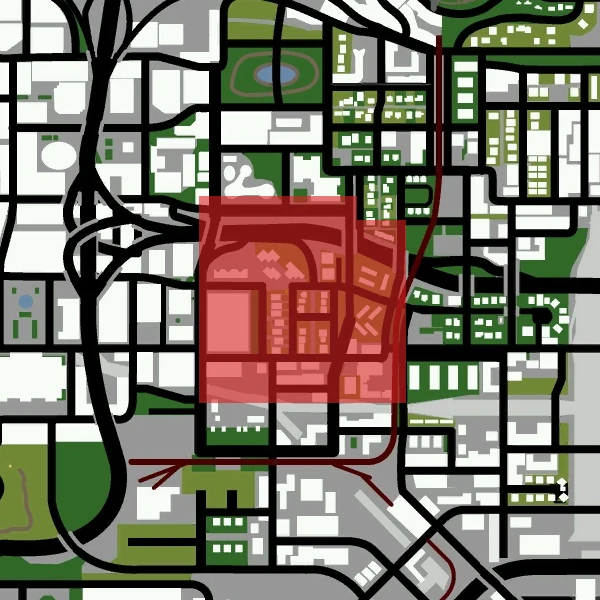
Idlewood is a district in Los Santos, San Andreas, located in the heart of the city’s south side. To the north lie Glen Park and Jefferson, while to the south stretch Willowfield and El Corona. Commerce and Little Mexico border it to the west, while Ganton and East Los Santos sit to the east. The area is known for its dense housing, worn-down apartment blocks, liquor stores on nearly every corner, and streets that stay active long after dark. Idlewood carries a reputation for being one of the most volatile and contested neighborhoods in the city.
By the early 1990s, Idlewood had shifted hands multiple times, eventually becoming heavily influenced by south side Latino gangs. While other sets had presence before, the streets gradually fell under the control of various Sureno-affiliated cliques, turning the district into a patchwork of rival blocks, each with its own identity, tags, and internal politics.
Idlewood Surenos, sometimes referred to simply as “Idle Gang” or “IDLSUR,” emerged from a mix of smaller tagging crews and neighborhood groups. Most members are young teenagers and guys in their early twenties posted up outside corner stores, alleyways, and parking lots, claiming their blocks through graffiti and constant presence. Despite their age, they move with structure, following the influence of older homies who rarely show themselves but still run things from the background.
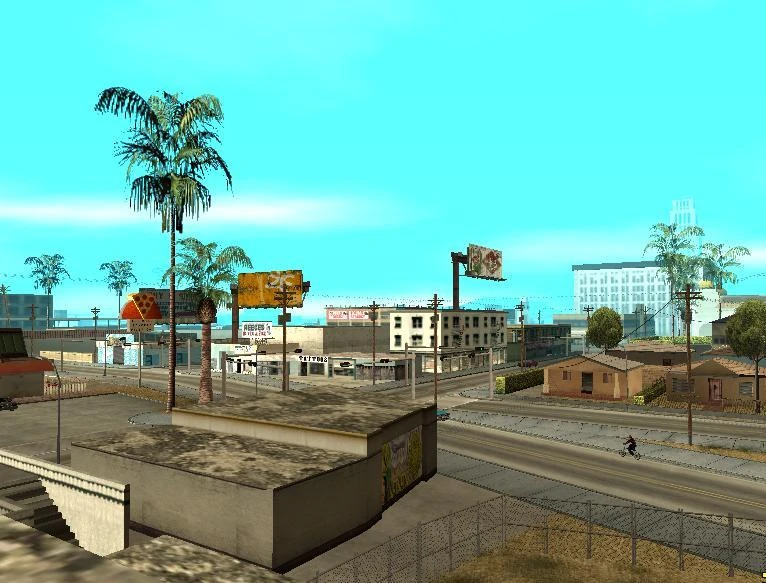
The origins of Idlewood Surenos trace back to a loose tagging crew that went by different names over time, never fully organized but active in marking territory. As tensions grew between different crews in the area, fights over respect, walls, and corners became more frequent. What started as tagging beef quickly escalated into street-level violence, with smaller cliques either falling apart or being absorbed into something bigger.
One of the key figures in shaping Idlewood Sur was a young member who pushed for unity among the scattered groups. Instead of letting the neighborhood stay divided, he linked up with others who had the same mindset, bringing together taggers and street kids under one name. Over time, the crew gained numbers, reputation, and control over specific blocks, slowly turning from a tagging crew into a recognized street set.

Older figures from the neighborhood guys who had been around longer and carried weight began backing the younger generation, giving them guidance and enforcing structure. These veteranos stayed low-key but made sure the younger members stayed in line, settled disputes internally when possible, and maintained the gang’s standing in Idlewood.
As their influence grew, Idlewood Surenos became known for their aggressive defense of territory. Tagging wasn’t just about marking walls anymore it was about sending messages. Crossed out graffiti, layered tags, and bold hit-ups on enemy blocks all became part of the ongoing tension between Idlewood and nearby neighborhoods.
Today, Idlewood remains active and unpredictable. Different blocks within the district may claim the same name, but internal rivalries still exist beneath the surface. The younger generation continues to push the name forward, while the older ones watch from the shadows, making sure the neighborhood doesn’t lose what they built.